
CHEBA MAN · HOW TO
How to Make a Cheba Man AI Video
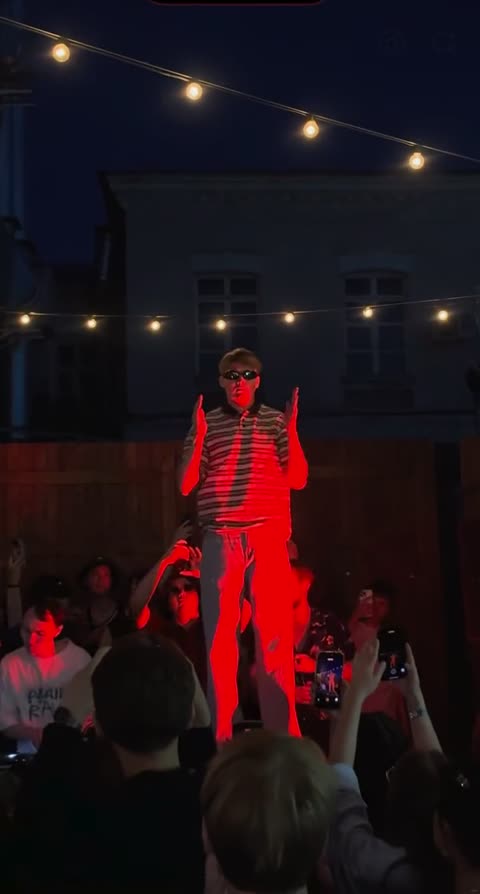
Plan a Cheba Man red-stage dance video: choose a full-body photo, compare the references, describe the gestures, and review the face, hands and footwork.
By Burning Bridges AI Video · Updated
1. Choose the result and workflow
Start here: For a close match to the demonstrated dance, investigate a workflow that explicitly supports a permitted motion reference. For your own interpretation, start with a full-body stage image and animate a small phrase. A general text-to-video field does not establish that exact choreography can be copied.
Explore what the Cheba Man AI trend is, Cheba Man page, then choose clear photos for your video.
2. Prepare the photo inputs
Use one unobstructed face with even lighting and visible hair. A naturally lit portrait is easier to inspect than an image already tinted red. Include the outfit and shoes if you are building a new full-body dancer rather than using a face-led effect.
Open the local photo preparation area to inspect the selected files. Follow the format and size rules printed beside its inputs. Then check the requirements of your chosen creation tool separately; they may differ.
3. Plan a short sequence
Read the stage
Establish the lead against the red background. Leave separation around the arms and body rather than filling the frame edge to edge.
Choose one phrase
Pick a short movement that has a beginning and a settled end. Use the full reference to understand the timing, not just its cover image.
Inspect the turn
Check the moment the face moves away from the camera. This is where a replacement or animated portrait can become harder to recognize.
Use these as separate composition checks. A service with multi-shot controls may accept them together; otherwise, test a short shot first and join usable clips in an editor. Do not assume a single upload supports every camera change.
4. Adapt an original starting prompt
For a compatible image-to-video tool, this is a starting idea rather than a tested preset or a guarantee of the reference choreography. Keep only the actions your selected model can handle.
One adult dancer on a red-lit stage, full body visible in a vertical frame. A short controlled side step and shoulder movement, then a relaxed finish. Preserve the face, outfit and body proportions. Keep feet in contact with the floor and each hand clearly separated from the torso. Fixed camera, no text.
Choose the appearance references through the tool’s supported input controls. A written instruction to preserve a face cannot replace a missing identity input. Adjust the framing to your intended output before spending credits on longer clips.
5. Review the first draft
- Red light hides the face
- Reduce the color cast on the lead while keeping the background saturated. Facial detail matters more than making every surface red.
- The legs change shape during the step
- Use a smaller movement and an opening image with both legs clearly separated. Avoid crossed feet in the starting pose.
- The AI version looks like a different routine
- Decide whether the stage mood is enough. If exact motion is required, verify motion-reference support instead of repeatedly adding dance names to a text prompt.
6. Edit, check sound and export
Trim the start and ending so the sequence has a clear setup and a settled finish. Avoid using an elaborate transition to hide a face or hand error: compare a simpler shot first. If several clips are joined, check screen direction and identity on both sides of every cut.
Use audio you are entitled to use and inspect the actual export. Check whether the tool includes audio, allows downloads and adds a watermark before rendering. The Cheba Man free-method guide gives an editing alternative when you prefer to avoid paid AI tests.
Film if stage color and your own movement are the main goal. Explore a dedicated effect if you need a particular routine, and inspect a complete exported sample before paying. The red thumbnail is not enough to judge face stability or footwork.
Reference and method notes
Reviewed October 22, 2026. Visual observations describe the references collected on our Cheba Man page, rather than every version posted elsewhere. This guide does not claim an original upload date, a popularity ranking or a tested external render. The prompt above is original planning guidance; no external generation was run for this article.
Frequently asked questions
Can a red-stage prompt reproduce the exact Cheba Man routine?
A text prompt can describe the setting and broad motion, but it does not guarantee the exact steps. A compatible motion-reference workflow may give more control.
Does the reference audio come with every result?
No such promise is made here. Check the selected tool’s audio and export terms, and use audio permitted for your intended post.